

As people grow older, changes in hearing often happen so gradually that they are easy to miss at first. A person may begin asking others to repeat themselves more often, turning the television volume higher than usual, or struggling to follow conversations in crowded places. Because these changes can happen little by little, many people assume they are just a normal part of getting older and nothing more.
The truth is a little more detailed. Age-related hearing changes are common, but that does not mean they should be ignored. Hearing plays a major role in communication, confidence, relationships, and overall quality of life. When hearing becomes less clear, daily interactions can start to feel tiring and frustrating.
Understanding why hearing problems increase with age can help people respond earlier and make smarter lifestyle choices. Many people initially ignore early signs of hearing decline in daily life without realizing what may be happening internally.
Understanding Age-Related Hearing Changes
Hearing depends on a delicate system involving the ears, nerves, and brain. Sound waves travel through the outer ear, move through the middle ear, and reach the inner ear, where tiny sensory cells help convert sound into signals. These signals then travel to the brain so sounds can be recognized and understood.
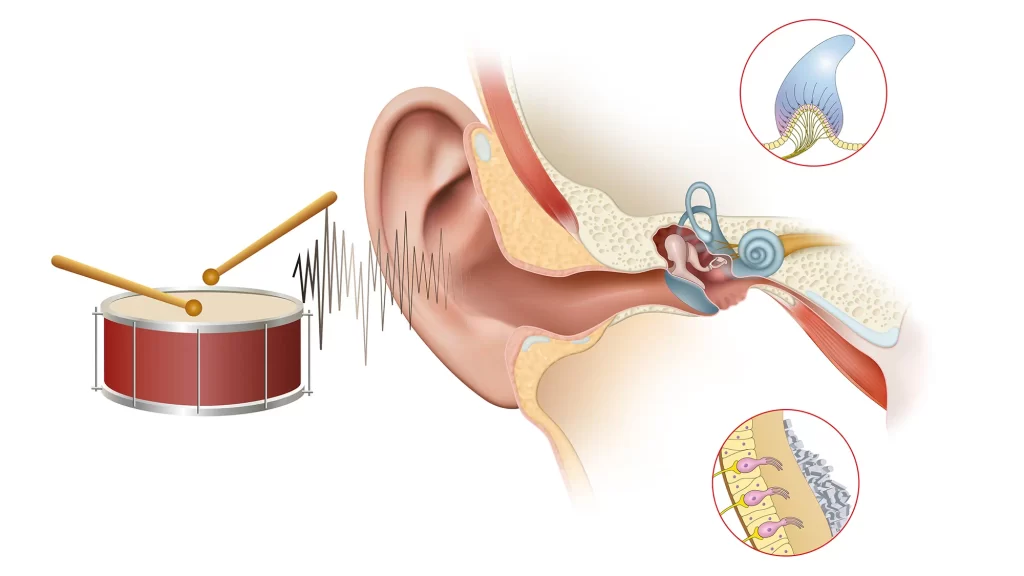
As the body ages, different parts of this system may not work as efficiently as before. In many cases, the tiny structures inside the inner ear become more vulnerable over time. The result is often a gradual decline in the ability to hear certain sounds clearly, especially higher-pitched sounds or speech in noisy environments.
This type of gradual hearing decline is often associated with aging. It may begin mildly and become more noticeable over the years. Some people notice difficulty hearing conversations on the phone, while others struggle most in restaurants, family gatherings, or public places where background noise competes with speech.
Common Causes of Hearing Problems With Age
There is rarely just one single reason. Hearing changes often happen because of several factors working together over time.
1. Natural wear and tear
Like other parts of the body, the hearing system experiences long-term stress. Over the years, sensitive cells and tissues in the inner ear may become less responsive. Since these structures are delicate, even slow changes can affect how clearly sound is processed.
2. Long-term noise exposure
Years of exposure to loud sounds can have an impact, even if the damage is not obvious at first. This includes loud workplaces, heavy traffic, machinery, concerts, headphones at high volume, and other repeated noise sources. A person may not realize the effect until later in life, when hearing becomes noticeably weaker.
3. Poor circulation and overall aging
Healthy blood flow supports many body functions, including the inner ear. As people age, circulation may change, and that can reduce how well certain tissues receive oxygen and nutrients. Since the inner ear depends on proper support, reduced circulation may play a role in gradual hearing decline.
4. Earwax buildup
Sometimes hearing feels worse simply because sound is being blocked. Earwax buildup is common, especially in older adults. When wax collects and hardens, it can create muffled hearing, pressure, or discomfort. This is one reason sudden hearing dullness should not always be assumed to be permanent.
5. Certain health conditions
Some common health concerns may also affect hearing over time. Conditions related to circulation, inflammation, or nerve health can influence how well the auditory system functions. Even when hearing changes are mostly age-related, overall wellness still matters.
6. Side effects from medications
Some medications may affect hearing or balance in certain individuals. This does not mean people should stop taking prescribed medicine on their own, but it does mean changes in hearing should be discussed when they appear.
Early Signs People Often Overlook
Hearing decline does not always begin with complete hearing loss. In many cases, the early signs are subtle.
A person may start feeling that others are mumbling. They may hear sound but not understand words clearly. Group conversations may become difficult, especially when multiple people are speaking. Telephone calls may feel more tiring. Some people begin avoiding noisy places because listening takes too much effort.
Another common sign is asking for repetition more often than before. Family members may notice the change first. In some cases, the person experiencing hearing decline may not fully realize how much things have changed because the shift happened gradually.
These small signs matter. Paying attention early can help people adjust habits, reduce strain, and look for helpful support sooner rather than later.
Common Myths About Hearing Problems and Aging
There are many myths around hearing health, and some of them cause people to delay action.
Myth 1: Hearing problems are always a normal part of aging
Aging can increase the likelihood of hearing changes, but that does not mean every problem should be ignored. Sometimes hearing issues are made worse by wax buildup, noise exposure, poor habits, or other manageable factors.
Myth 2: If you can hear some sounds, your hearing is fine
Many people with early hearing decline can still hear certain sounds. The real issue is often clarity, not total silence. Speech may sound less sharp, especially in noisy places.
Myth 3: Only very old people deal with hearing decline
Hearing changes can begin earlier than many people expect. Age is one factor, but long-term stress on the ears, loud environments, and lifestyle habits can affect hearing before old age.
Myth 4: Nothing can be done naturally
While severe or advanced hearing problems may require professional evaluation, daily habits still matter. Natural support does not mean making unrealistic promises. It means protecting hearing, supporting overall wellness, and reducing avoidable stress where possible.
Why Hearing Health Matters More Than People Think
Hearing is closely tied to social connection. When hearing becomes difficult, conversations can feel exhausting. Some people start pulling back from gatherings because it becomes harder to follow what others are saying. Over time, this may affect mood, confidence, and daily enjoyment.
Listening effort also matters. When someone has to work harder just to keep up with speech, mental fatigue can build up quickly. That is why hearing support is not only about the ears. It is also about comfort, communication, and staying engaged in everyday life.
Natural Ways to Support Hearing Wellness
Natural support should be viewed as part of a healthy lifestyle, not as a magic fix. Small, consistent habits can still make a meaningful difference.
Protect your ears from loud noise
Reducing repeated exposure to loud sounds is one of the most practical steps. Lowering headphone volume, taking breaks from noise, and using ear protection in loud environments can help reduce further strain.
Maintain good circulation
Daily movement supports overall wellness, including circulation. Simple activities such as walking, light stretching, or other regular exercise habits may help the body function more efficiently over time.
Focus on balanced nutrition
A balanced diet supports the body in many ways. Foods that fit into an overall healthy lifestyle may help maintain energy, circulation, and daily wellness, all of which can play a supportive role as the body ages.
Manage stress and sleep
Poor sleep and ongoing stress can affect how people feel physically and mentally. While they may not directly cause age-related hearing decline on their own, they can make daily coping more difficult and reduce overall resilience.
Avoid unnecessary ear irritation
People sometimes use cotton swabs too aggressively, which can push wax deeper instead of helping. Gentle ear care is important. If there is a feeling of blockage or pressure, it is better to approach it carefully.
Pay attention to changes early
One of the best habits is simple awareness. If hearing starts changing, noticing it early creates more room for practical action and better decisions.
A Smarter Way to Think About Hearing Support
Aging does bring changes, but that does not mean people should take a passive approach. Hearing health deserves the same attention people give to mobility, energy, and vision. The goal is not perfection. The goal is support, awareness, and maintaining daily quality of life.
Many people do not think about hearing support until the problem becomes frustrating. But gradual problems are often easier to manage when they are noticed earlier. Lifestyle habits, sound protection, and overall wellness all play a role in long-term hearing care.
Final Thoughts
Hearing problems often increase with age because the hearing system becomes more vulnerable over time, especially after years of stress, noise exposure, and natural wear. Even so, common myths can make people overlook early signs or assume nothing can be done.
A more helpful approach is to stay informed, protect hearing where possible, and support the body with better everyday habits. Small choices made consistently can help people feel more aware and more confident about their hearing wellness.
If you’re interested in exploring structured hearing support options, you can read a detailed breakdown in this Quietum Plus review.
This article is for informational purposes only and is not intended as medical advice.